 Worrell Electrical Services
A Simple Guide to Solving Electrical Issues
Electrical problems can be daunting, but understanding how to troubleshoot them can save you time and money. Whether it’s a flickering light or an appliance that won’t turn on, knowing where to start is crucial. By learning the basics, you can diagnose and fix common issues yourself. This guide will walk you through the essentials of identifying electrical problems, ensuring you’re equipped with valuable knowledge for those unexpected situations.
Identifying Common Electrical Issues
When it comes to electrical troubleshooting, recognizing common problems is the first step. Typical issues include tripped circuit breakers, faulty outlets, and flickering lights. Each issue requires a different approach to resolve effectively. Tripped breakers often result from overloaded circuits, while flickering lights could indicate loose connections. Understanding these signs helps in pinpointing the root cause of electrical malfunctions.
The Importance of Safety Precautions
Before diving into any troubleshooting tasks, safety should be your top priority. Electrical work can be hazardous without proper precautions. Always turn off power at the main breaker before inspecting or repairing any components. Use insulated tools and wear rubber-soled shoes to minimize risk. Following these safety guidelines helps prevent accidents during electrical troubleshooting.

Tools Needed for Basic Troubleshooting
Having the right tools makes all the difference when conducting electrical troubleshooting. Essential items include a multimeter, voltage tester, and a set of screwdrivers. A multimeter allows you to measure voltage and continuity, aiding in diagnosis. Voltage testers help determine if circuits are live, while screwdrivers enable component access. These tools form the basic kit for effective problem-solving.
Steps for Diagnosing Electrical Problems
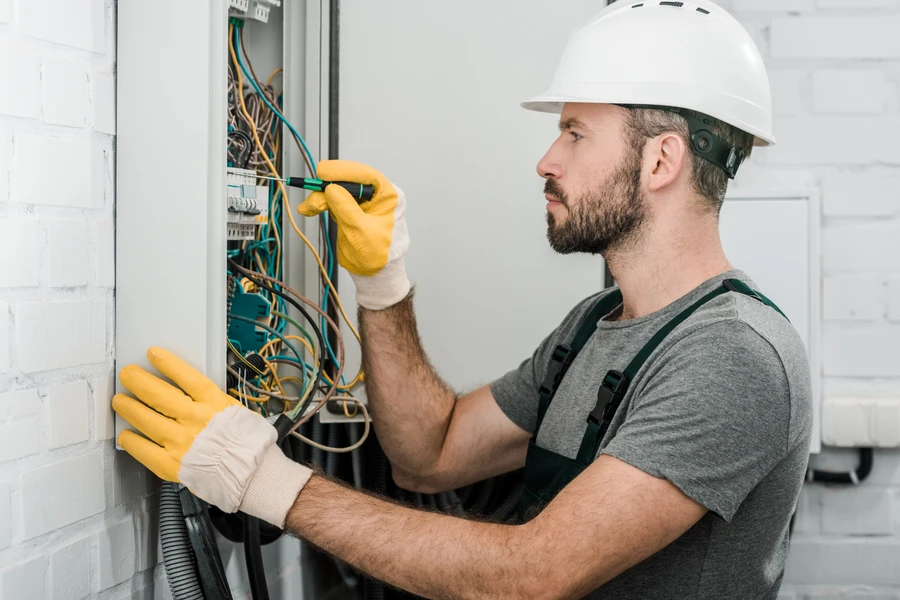
Tackling electrical troubleshooting involves systematic steps to identify and solve problems. Begin by checking for visible damage such as frayed wires or burnt outlets. Next, test the circuit using a voltage tester to ensure it has power. If issues persist, use a multimeter to check for continuity in connections. These steps form a methodical approach to resolving electrical faults.
Benefits of DIY Electrical Troubleshooting
Learning to troubleshoot electrical issues offers several advantages. Firstly, it saves on costly repairs by allowing you to fix minor problems yourself. Secondly, it boosts your confidence in handling home maintenance tasks. Lastly, understanding your home’s electrical system enhances overall safety. By mastering these skills, you’re better prepared for future electrical challenges.
When to Call a Professional Electrician
While DIY solutions are beneficial, some situations require professional intervention. Complex issues like persistent power outages or frequent breaker trips might indicate deeper problems needing expert attention. Additionally, if you’re unsure about tackling a specific task, it’s best to consult a licensed electrician. They possess the expertise and tools necessary for complex electrical troubleshooting tasks.
Your Path to Safe Electrical Solutions
Ensuring safe and efficient electrical systems is crucial for every household. With this knowledge, you’re better equipped to address minor issues and understand when professional help is needed. At Worrell Electrical Services, we prioritize your safety and satisfaction. Reach out to us at (205) 618-4279 for expert advice or assistance with your electrical needs. We’re located in Birmingham, AL and ready to serve you.